Kantha (pronounced kahn-tha) emerged from the rural heartlands of West Bengal, India, and Bangladesh, where women stitched together old cloths to create quilts, wraps, and covers. The earliest forms may date back to the pre-Vedic period (before 1500 BCE), with links to ancient quilting traditions.
- The word “kantha” refers to both the running stitch technique and the finished textile.
- Traditionally made from recycled saris, kantha was a way to preserve warmth and memories.
- Each piece often told a story—featuring floral motifs, animals, and scenes of daily life stitched with care.
Cultural Significance
Kantha is more than just embroidery—it’s a symbol of resilience, creativity, and community.
- Women’s artistry: Kantha was historically stitched by women for their families, often passed down through generations.
- Storytelling: Motifs reflect personal experiences, folklore, and spiritual beliefs.
- Sustainability: It embodies the idea of making something beautiful from what’s worn or broken—a philosophy still relevant today
Why It’s Still Fun to Stitch Today
Kantha remains popular among modern stitchers for its simplicity, versatility, and meditative rhythm.
- Beginner-friendly: The basic running stitch is easy to learn, yet expressive.
- Creative freedom: You can stitch over any fabric, layer textures, and improvise motifs.
- Mindful crafting: The repetitive motion of stitching is calming and grounding.
- Modern uses: Kantha appears on sarees, jackets, bags, quilts, and wall art, blending tradition with contemporary design.
Fun Facts About Kantha
- Motifs vary by region: West Bengal kantha often features lotus flowers, birds, and geometric borders, while Bangladeshi kantha includes narrative scenes and mythological figures.
- Types of kantha: There are several styles, including Sujni (decorative quilts), Lep (winter wraps), and Baytan (ceremonial cloths).
- Global revival: Designers now incorporate kantha into high fashion, while artisans continue to stitch by hand in rural cooperatives.
- Eco-conscious appeal: Its use of recycled materials makes it a favorite among sustainable fashion advocates.
Are Kantha and Sashiko Embroidery the same?
Kantha and sashiko embroidery share a soulful connection through their use of simple running stitches, their roots in mending and reuse, and their emphasis on visible handwork that honors tradition and sustainability. Though they come from different cultures—kantha from Bengal and sashiko from Japan—they both celebrate the beauty of imperfection and the stories stitched into fabric.
Kantha vs. Sashiko: Kindred Threads Across Cultures
| Feature | Kantha (India/Bangladesh) | Sashiko (Japan) |
|---|---|---|
| Origin | Bengal region, centuries-old tradition | Edo-period Japan, originally for mending workwear |
| Purpose | Upcycling old saris into quilts, wraps, and covers | Reinforcing and repairing garments (especially indigo workwear) |
| Stitch Type | Running stitch | Running stitch (often in geometric patterns) |
| Materials | Soft cotton, layered fabrics | Indigo-dyed cotton, white thread |
| Design Style | Folk motifs, animals, florals, improvisational | Geometric, grid-based, often symmetrical |
| Cultural Role | Domestic storytelling, community craft | Practical mending, later elevated to decorative art |
| Modern Appeal | Quilts, fashion, wall art, slow stitching movement | Visible mending, minimalist design, slow stitching |
Shared Spirit: Slow Stitching and Sustainability
Both kantha and sashiko are part of the slow stitching movement, which values handwork, mindfulness, and reuse. They encourage stitchers to:
- Work with intention: Each stitch is a quiet act of care.
- Celebrate flaws: Imperfections become part of the story.
- Use what you have: Scraps, worn fabrics, and old garments are transformed into art.
Creative Fusion
Modern makers often blend kantha and sashiko techniques in visible mending, patchwork, and textile art. You might see:
- Kantha-style motifs stitched with sashiko thread
- Sashiko grids layered over kantha quilts
- Mixed media pieces combining both traditions
This fusion honors both cultures while inviting new interpretations.
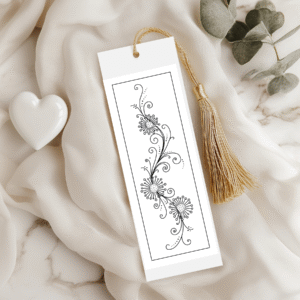
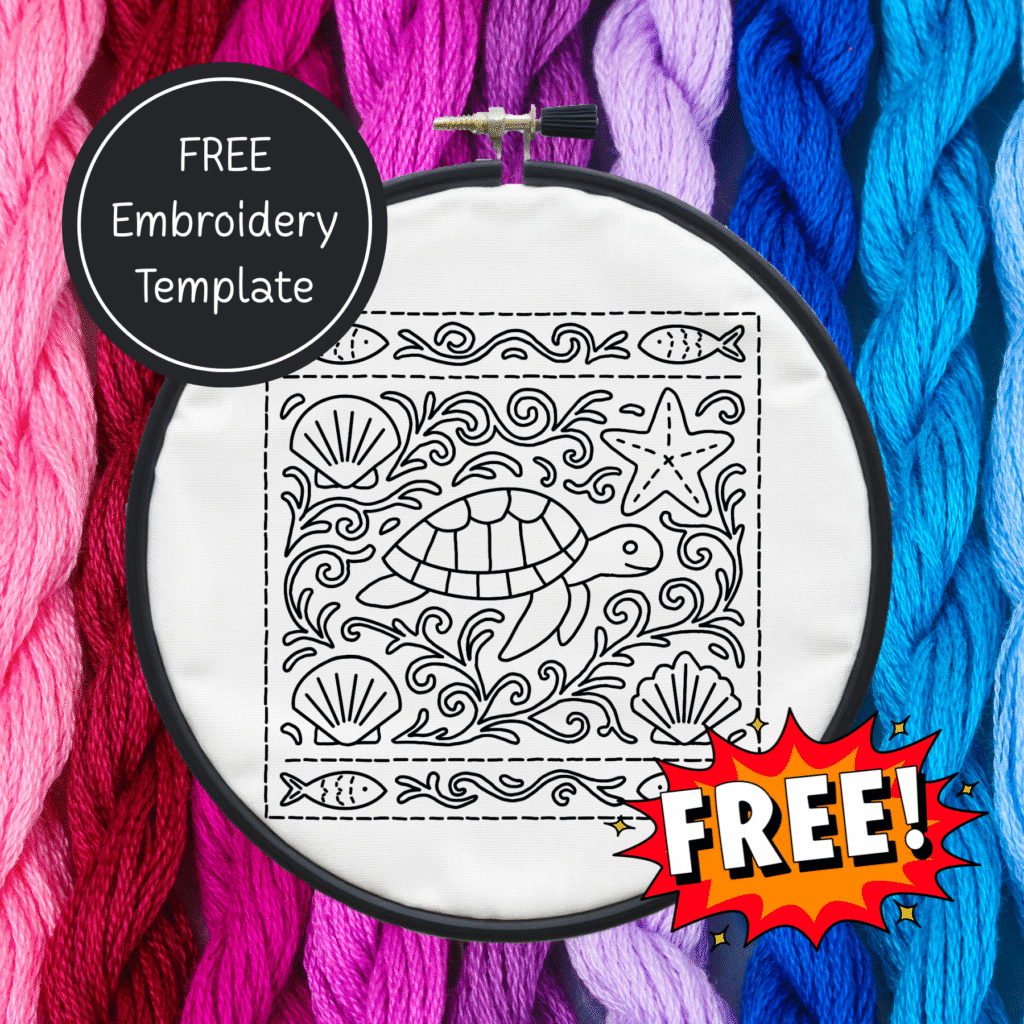
To practice your newfound embroidery style of Kantha, why not give the pattern (seen in the photo above) a try? You can download it by clicking on the PDF file below. You will need the password to get into the file. If you don’t yet have the password, you can get it in your welcome email from me by subscribing to my weekly email. I don’t spam, nor send out multiple emails daily. You get a once-a-week email, and that’s it! I hate spam as much as you do!
Here’s the file, complete with color suggestions. Just click on the file and enter the password.
This pattern is the first Kantha embroidery posted here, but I do have some Shashiko patterns posted that you may want to give a try.